Why This Comparison Matters More Than Ever
Homeowners looking at roof replacement today are no longer limited to just asphalt shingles or natural wood. The market has evolved, and synthetic shake roofing materials are now a serious alternative to traditional cedar shake roofs.
The decision usually comes down to three factors: durability, maintenance, and long-term value. While cedar has a long history and strong aesthetic appeal, synthetic options are designed to solve many of its weaknesses.
Understanding how both systems perform over time is key to making a smart roofing investment.
What Are Synthetic Shake Roofing Materials?
Engineered to replicate natural cedar
Synthetic shake roofing materials are manufactured products designed to mimic the appearance of natural cedar shake roofs. They are typically made from rubber composites, polymers, or recycled materials engineered for strength and weather resistance.
Consistent appearance and controlled design
Unlike natural wood, synthetic shakes are produced in controlled environments, meaning each piece has consistent color, shape, and thickness. This eliminates the natural variation seen in cedar roofing.
Natural Cedar Shake Roofs Explained
Authentic wood construction
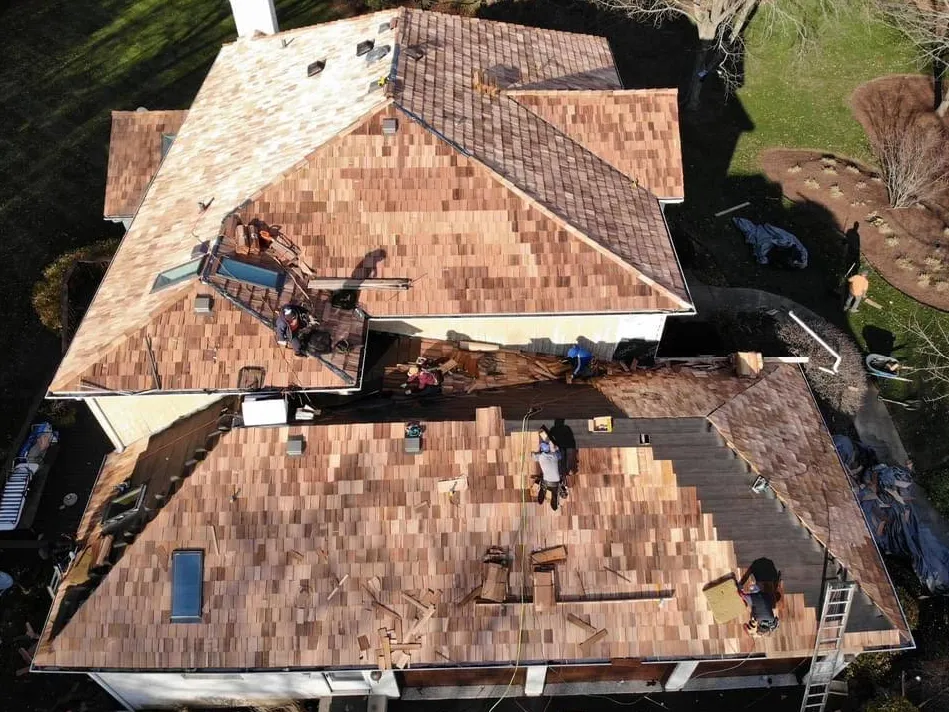
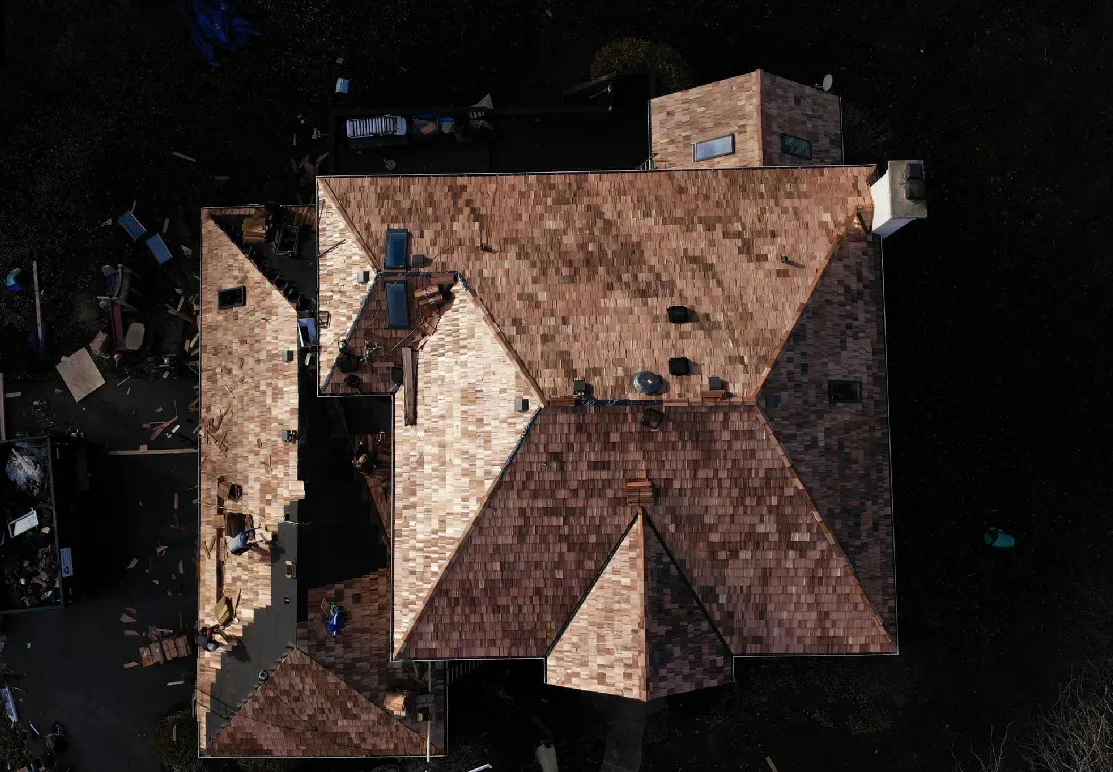
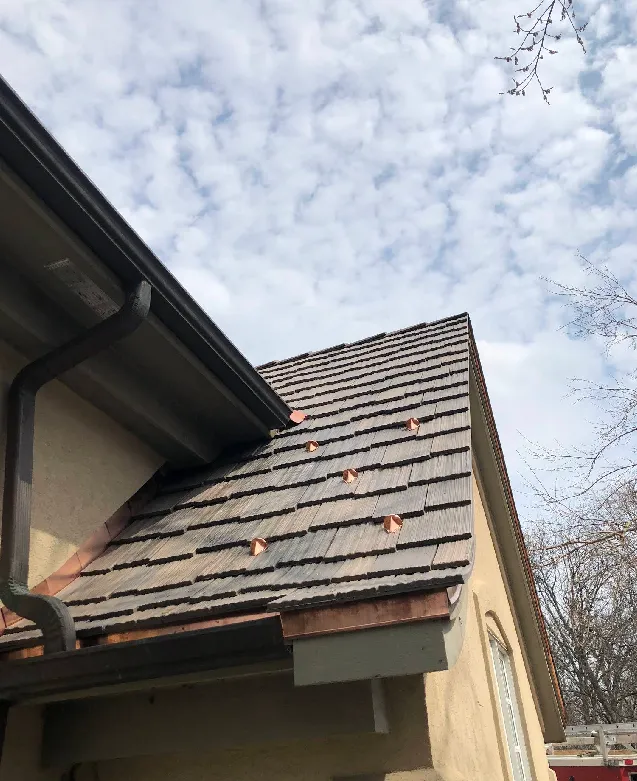
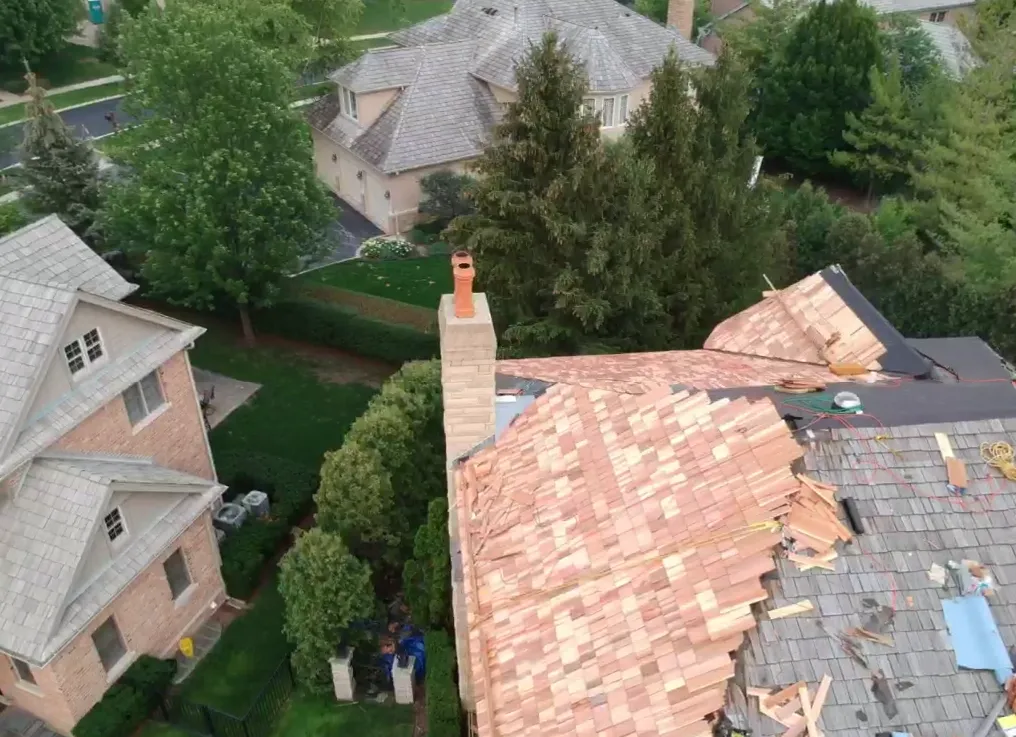
Cedar shake roofs are made from real wood, usually western red cedar. Each shake is cut from natural logs, giving the roof a unique texture and organic appearance.
Natural aging process
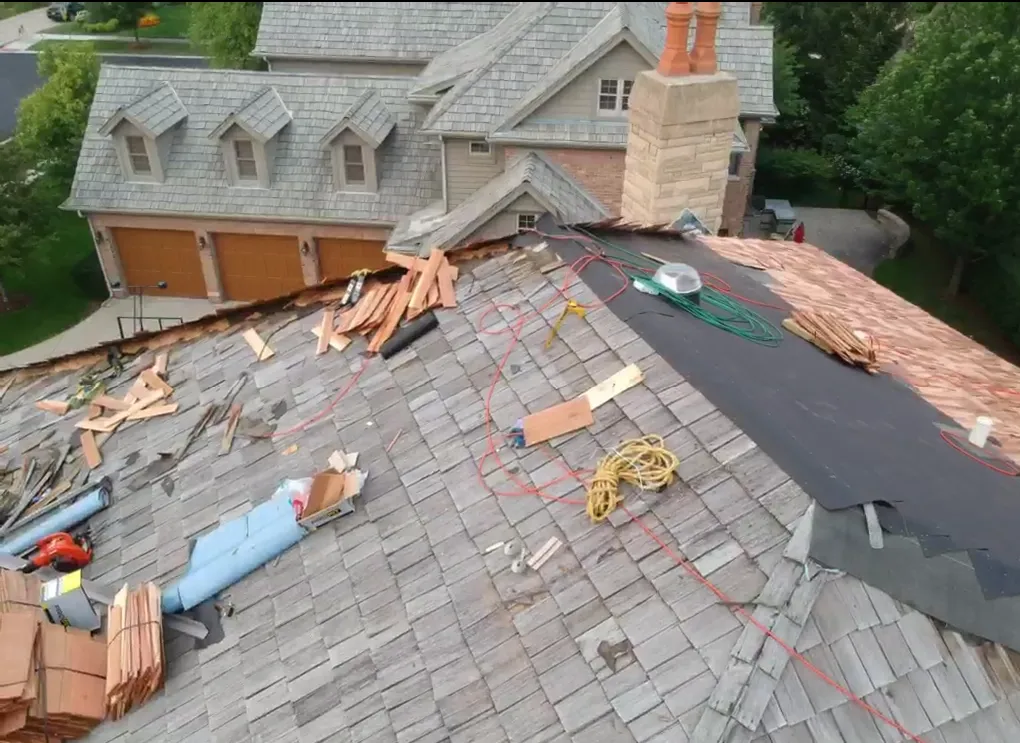
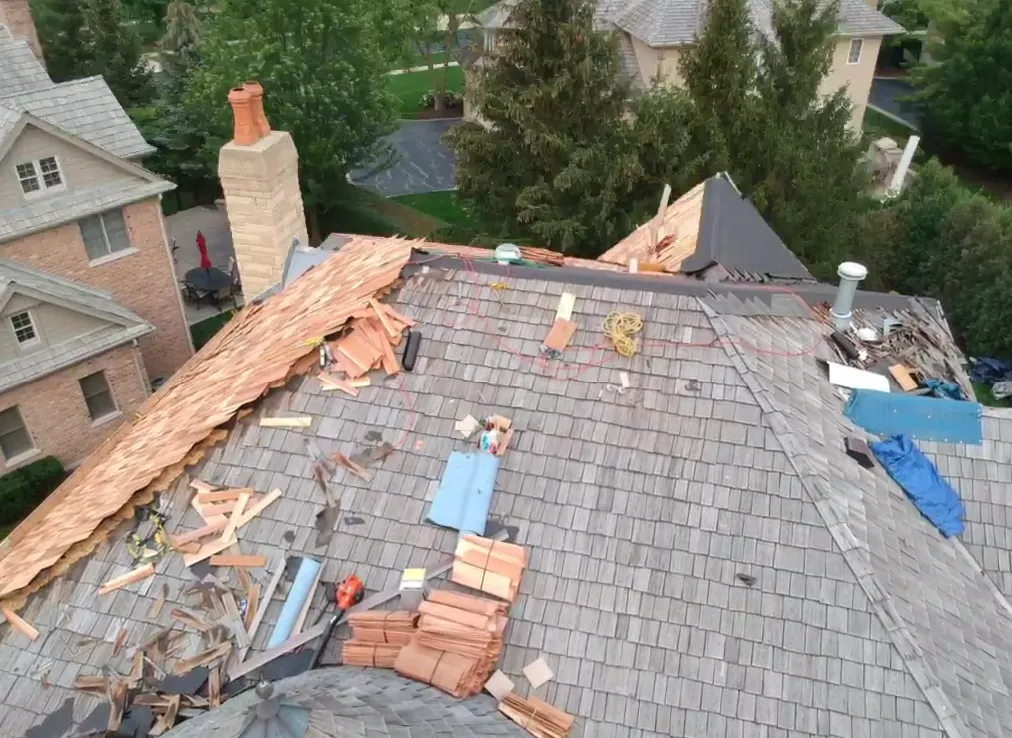
One of cedar’s defining features is how it changes over time. Fresh cedar starts warm and rich in tone, then gradually weathers into a gray patina depending on exposure, climate, and maintenance.
This aging process is often seen as attractive, but it also signals material exposure to the elements.
Durability Comparison Between Synthetic and Cedar Roofs
Weather resistance
Synthetic shake roofing materials are designed to resist:
-
UV damage
-
Moisture absorption
-
Rot and mold
-
Insect damage
Cedar shake roofs, while durable for a natural material, are more vulnerable to moisture retention and biological degradation over time.
Lifespan expectations
High-quality synthetic roofing systems often last longer than untreated cedar shake roofs. Cedar can perform well when maintained properly, but its lifespan is heavily influenced by climate, ventilation, and upkeep.
Impact of maintenance
Cedar roofs require ongoing maintenance, including cleaning, treatment, and occasional repairs. Synthetic materials generally require significantly less upkeep, which is a major advantage for homeowners seeking long-term stability.
Performance in Real-World Conditions
Storm and wind resistance
Synthetic shake roofing materials are typically engineered with higher impact resistance and improved wind uplift performance compared to natural cedar.
Moisture and freeze-thaw cycles
In colder climates, cedar shake roofs can absorb moisture and expand or contract with temperature changes. Synthetic materials are more dimensionally stable, reducing the risk of warping or splitting.
Fire resistance considerations
Many synthetic products are designed to meet higher fire resistance ratings than untreated wood, which is an important factor in certain regions.
Aesthetic Differences and Buyer Perception
Cedar shake roof appeal
Natural cedar offers unmatched organic texture and depth. Many buyers associate it with craftsmanship, luxury homes, and architectural authenticity.
Synthetic shake consistency
Synthetic roofing provides a more uniform appearance. Some homeowners prefer this cleaner, more controlled look, while others feel it lacks the character of real wood.
Resale impact
Buyer perception varies by market:
-
High-end custom homes often favor cedar for authenticity
-
Practical suburban buyers often prefer synthetic for lower maintenance expectations
Maintenance and Long-Term Cost Considerations
Cedar shake roof ownership costs
Cedar roofs typically require:
-
Periodic cleaning
-
Protective treatments
-
Repairs of damaged shakes
-
Ongoing inspection for moisture or decay
Synthetic roofing advantages
Synthetic shake roofing materials significantly reduce maintenance needs. This can translate into lower lifetime ownership costs and fewer unexpected repairs.
Installation and Structural Considerations
Weight differences
Synthetic materials are often lighter than cedar, which can reduce structural load on the home. This may simplify installation in certain cases.
Installation precision
Both systems require professional installation, but synthetic materials often allow for faster and more uniform installation due to standardized sizing.
Which Option Is Better for Homeowners?
When cedar shake roofs make sense
Cedar is often preferred when:
-
Architectural authenticity is a priority
-
Home design emphasizes natural materials
-
Buyers in the area value traditional craftsmanship
When synthetic shake roofing materials are the better choice
Synthetic is typically better when:
-
Low maintenance is a priority
-
Long-term durability is the main concern
-
Weather resistance is critical
-
Consistent appearance is desired
Two Different Approaches to the Same Goal
Both synthetic shake roofing materials and natural cedar shake roofs offer strong visual appeal, but they serve different homeowner priorities.
Cedar delivers authenticity, texture, and traditional craftsmanship, while synthetic options focus on durability, consistency, and reduced maintenance.
The right choice depends less on which material is “better” overall and more on how the homeowner balances aesthetics, long-term cost, and performance expectations in their specific environment.