Roofing Is One of the Highest-Impact Resale Decisions
When homeowners think about increasing resale value, they usually focus on kitchens, bathrooms, or landscaping. But the roof quietly plays one of the most influential roles in how buyers evaluate a property before they even step inside.
Roof color, material, and perceived condition all combine into a single visual judgment: Is this home well maintained or will it cost me money soon?
That perception alone can change offer strength, days on market, and negotiation behavior.
Cedar shake roofing adds an extra layer to this decision because it behaves very differently from standard roofing systems when it comes to color control, aging, and buyer perception.
Why Roof Color Has a Direct Effect on Resale Value
Buyers judge homes visually first, logically second
Real estate decisions are heavily emotional at the start. Buyers form an opinion about value within seconds of seeing the exterior. The roof is a dominant visual element, often covering 40–50% of what they see from the street.
If the roof color feels outdated, overly faded, or mismatched with siding, buyers subconsciously downgrade the property’s value.
Color consistency signals maintenance quality
A consistent, clean roof color communicates that the home has been cared for. In contrast, patchy tones, uneven aging, or mismatched repairs signal potential hidden issues—even when none exist.
The psychology of “future cost avoidance”
Buyers are not just evaluating the present—they’re estimating future expenses. A roof that looks like it may need replacement soon can reduce offers significantly, even if the structure is still functional.
The Role of Roof Color in Different Housing Markets
Suburban markets favor neutrality
In typical suburban neighborhoods, neutral roof tones tend to perform best. Shades like charcoal, weathered gray, and soft brown appeal to the widest buyer pool and reduce visual risk.
Luxury markets allow more variation
In higher-end markets, buyers often expect more architectural expression. This is where cedar shake roofing becomes more common, as it provides texture and depth rather than uniform coloration.
Regional climate influence
In warmer climates, lighter roofs are often associated with energy efficiency. In colder climates, darker roofs often create stronger contrast and a more premium visual presence.
Cedar Shake Roof and Color Behavior Explained
Natural wood means natural color variation
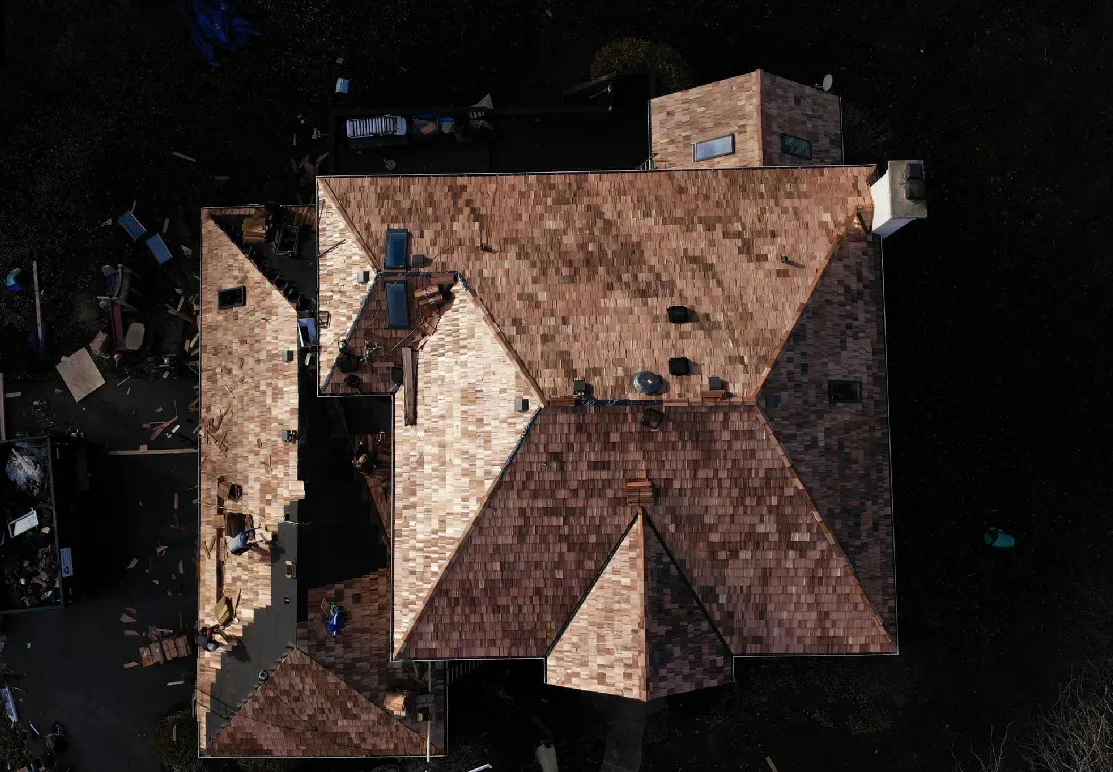
Unlike asphalt shingles, cedar shake roofing is not manufactured in a fixed color range. It is made from natural wood, which means each piece has its own grain, tone, and absorption characteristics.
This results in subtle variation even when the roof is installed at the same time.
Aging is part of the design
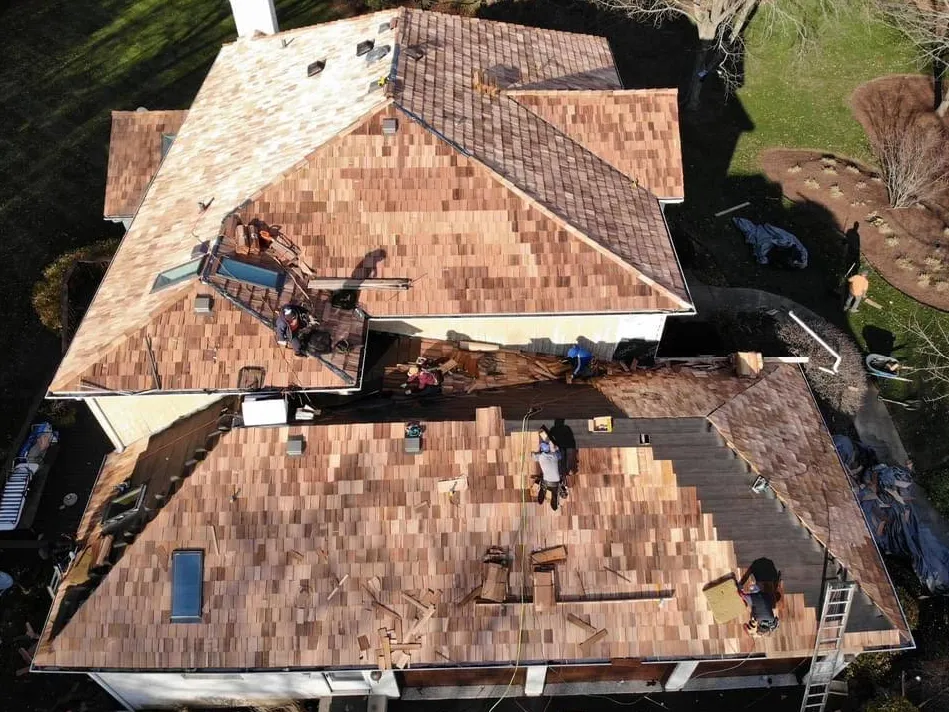
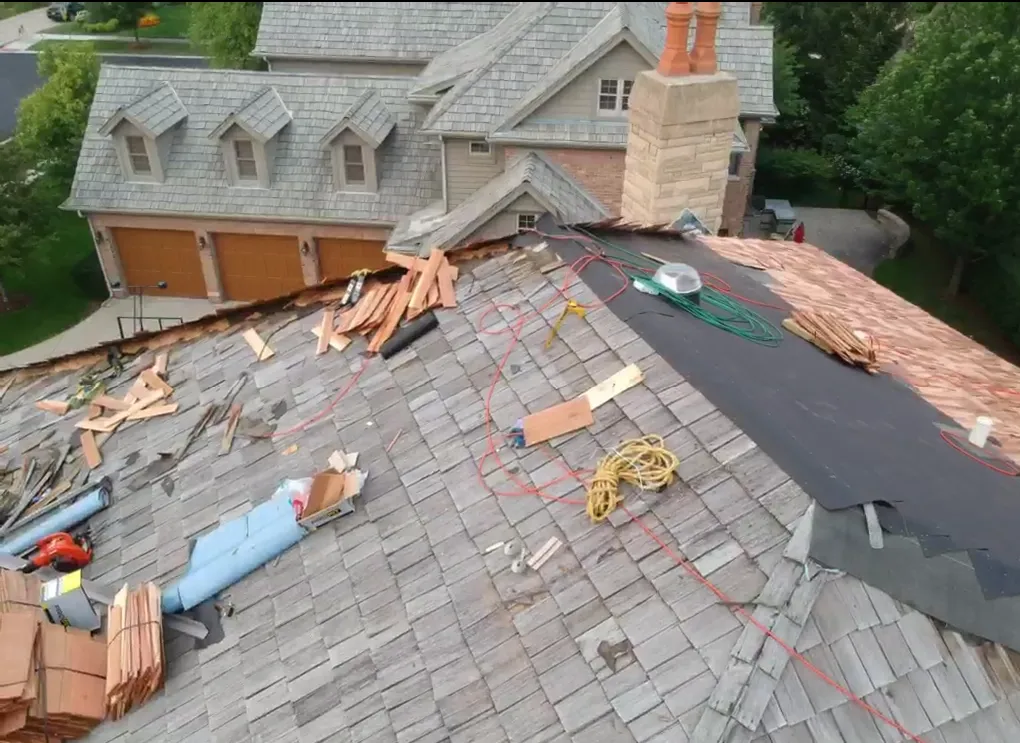
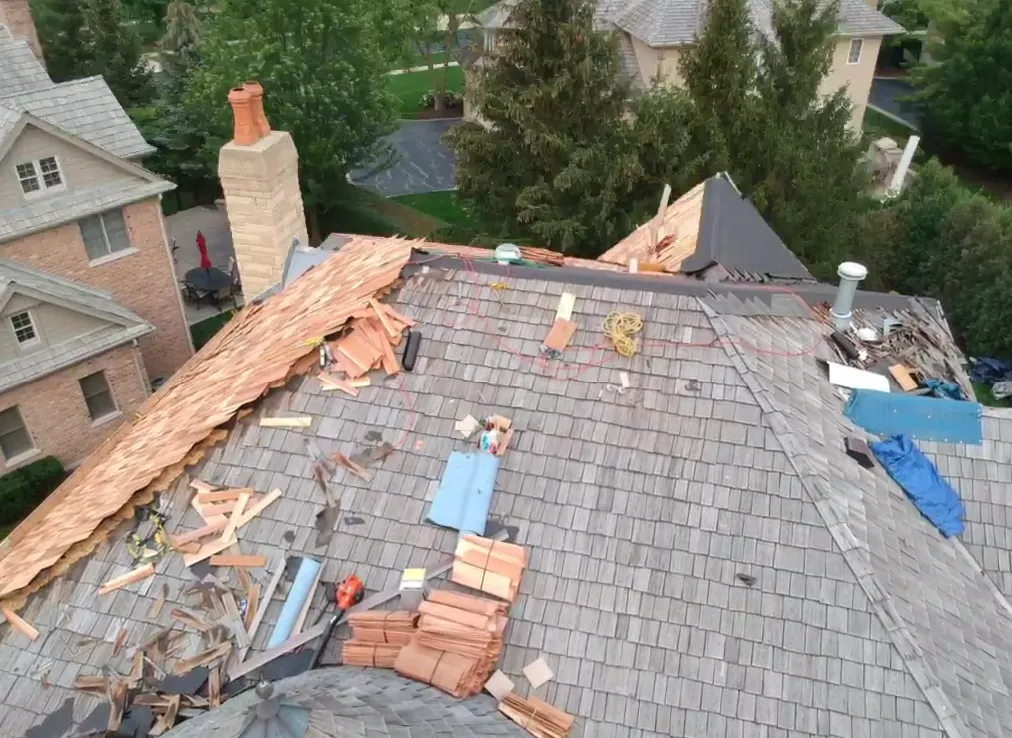
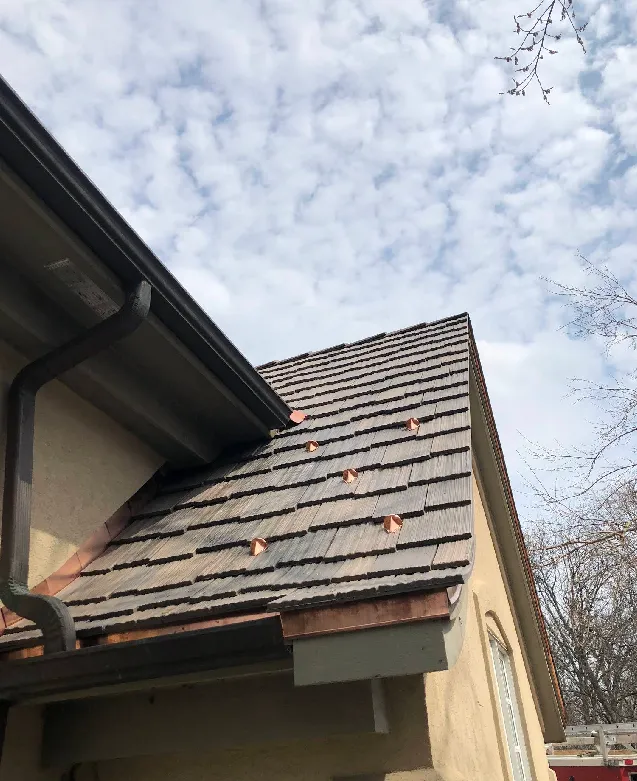
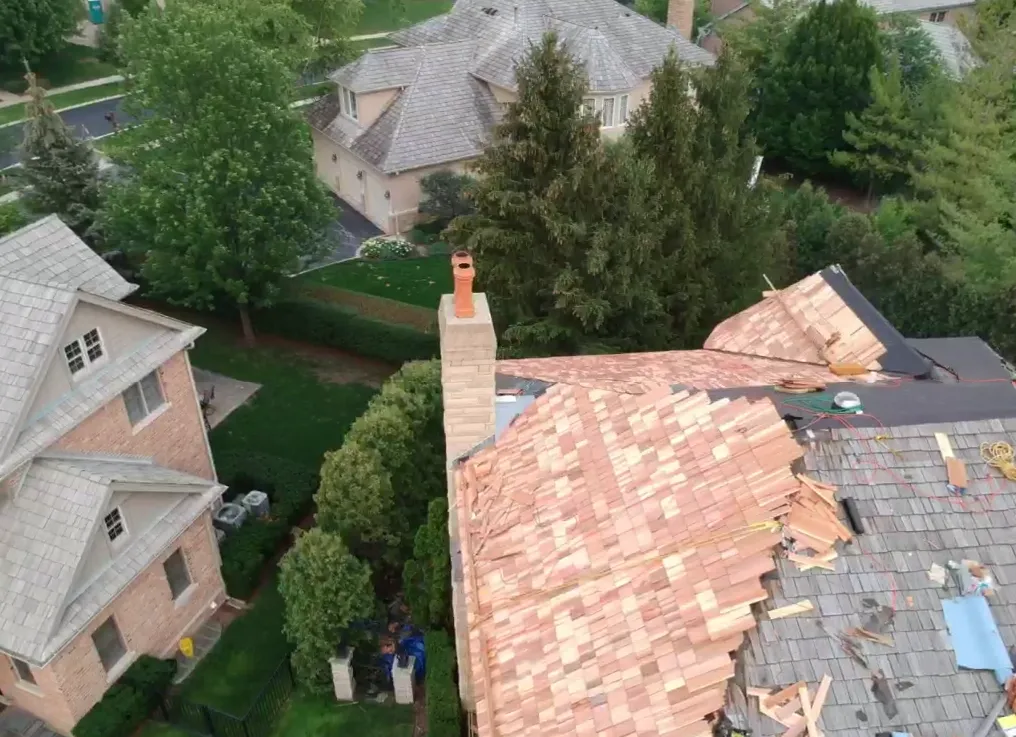
Cedar shake roofs evolve over time. Fresh cedar typically starts with warm golden and reddish-brown tones. As it weathers, it gradually transitions into a silver-gray patina.
This aging process is not a defect—it is often considered part of the aesthetic appeal.
Staining and sealing options
Homeowners can apply stains or protective treatments to influence tone and slow down weathering. However, even with staining, cedar will never achieve the uniform, factory-controlled color consistency of asphalt shingles.
Stains can shift appearance toward darker browns, warm ambers, or richer cedar tones, but natural variation remains visible.
Does Cedar Shake Roof Limit Color Options?
Technically yes—but strategically no
Cedar shake roofing does limit precise color selection compared to manufactured materials. You cannot choose a single exact shade with guaranteed uniformity across the entire surface.
However, this limitation is also what gives cedar its premium identity. Buyers often associate natural variation with higher craftsmanship and custom design.
The “premium imperfection” effect
Many buyers perceive cedar shake roofs as higher-end precisely because they are not perfectly uniform. The variation creates depth, shadowing, and texture that flat synthetic materials cannot replicate.
Market segmentation matters
The impact of this limitation depends heavily on buyer expectations:
-
In standard markets: uniformity is often preferred
-
In upscale or architectural markets: variation is seen as value-added character
Cedar Shake Roof vs Asphalt Shingles in Resale Performance
Asphalt shingles: predictability wins
Asphalt shingles remain the safest choice for resale because they offer:
-
Controlled color consistency
-
Wide buyer familiarity
-
Lower perceived maintenance risk
-
Easier insurance and appraisal acceptance
They are a “low-friction” option in most real estate transactions.
Cedar shake roof: visual impact and premium positioning
Cedar shake roofing offers:
-
Strong architectural identity
-
Natural texture and depth
-
Premium material perception
-
High curb appeal when maintained
However, it introduces variability in color and higher maintenance expectations, which some buyers factor into pricing decisions.
How Roof Condition Influences Color Perception
A new roof always outperforms a perfect color
Even the “best” color loses value if the roof looks aged or uneven. Buyers prioritize condition over aesthetics when making financial decisions.
Uniform aging is better than patchwork repair
A roof that ages consistently across its surface is perceived more positively than one with visible patches, mismatched sections, or inconsistent repair work.
Maintenance history matters
Clean gutters, replaced damaged sections, and even sealing treatments contribute to the overall visual impression of the roof color and quality.
Strategic Roofing Decisions Before Selling a Home
Don’t over-optimize color if condition is weak
Spending resources trying to perfect roof color on an aging system rarely produces ROI. Replacement or full restoration has a stronger resale impact.
Align roof choice with neighborhood standards
Homes that visually align with surrounding properties tend to sell faster and with fewer negotiations. Outliers—either too modern or too rustic—can reduce buyer confidence.
Cedar shake roof should be a deliberate positioning choice
Cedar shake roofing is not just a material decision—it is a branding decision for the home. It positions the property as architectural and design-driven rather than purely functional.
Cedar Shake Roof Changes the Concept of “Color Choice”
Cedar shake roofing does not eliminate color options, but it redefines them. Instead of selecting a single uniform shade, homeowners are working with natural variation, aging patterns, and texture-driven aesthetics.
In resale terms, the most important factor is not achieving perfect color control, but ensuring the roof supports the overall story of the home—whether that story is modern simplicity, traditional reliability, or premium craftsmanship.
Ultimately, the strongest resale outcomes come from alignment: roof condition, material choice, and architectural style working together to create a cohesive and trustworthy first impression.